Harlem Renaissance Lesson Plans for Short Stories

Worksheets for Zora Neale Hurston’s and Jean Toomer Short Stories
These Common-Core aligned FREE Harlem Renaissance lessons will help students analyze characters in Zora Neale Hurston’s “Sweat,” a short story about wife abuse, and “John Redding Goes to Sea”, and a vignette from Jean Toomer’s Cane.
The lessons include worksheets that ask students to interpret key passages, track plot development and apply the writers’ insights to their own experiences.
“Sweat,” “John Redding Goes to Sea” (or this link “John Redding Goes to Sea,” and “Fern” (or this link) are available online:
Harlem Renaissance Lesson 1 – Part I of “Sweat”
Worksheet: Examining Domestic Power Politics - Part A
PART I: STUDENTS SHOULD READ "SWEAT" AT HOME AND THEN ANSWER THE FIVE QUESTIONS BELOW FOR HOMEWORK. THEY SHOULD ALSO FIND FIVE EXAMPLES OF DIALECT (full sentences) THAT THEY FIND PARTICULARLY INTERESTING AND EXPLAIN THEM.
(Sykes is aggressive, angry, and carries a bullwhip. His wife, Delia, washes white folks’ linen to support both of them.)
"He stepped roughly upon the whitest pile of [clothes], kicking them helter-skelter as he crossed the room.”
- IS SYKES BULLYING HIS WIFE IN THE ABOVE PASSAGE OR INDIRECTLY ATTACKING THE WHITE WORLD BY VENTING HIS AGGRESSION ON THEIR LAUNDRY? OR BOTH? AS YOU FORMULATE YOUR ANSWER BE SURE TO EXPLAIN WHY, IN YOUR OPINION, SYKES STEPS ON THE "WHITEST" CLOTHES.
- IN YOUR OPINION, WHY DOES SYKES AVOID DIRECT CONFRONTATION WITH THE WHITE WORLD? GIVE AN EXAMPLE FROM LIFE IN WHICH SOMEONE ACTS TOUGH & INVULNERABLE, YET AVOIDS CONFRONTATION WITH AN ENEMY.
- "Dis is mah town an’ you sho’ kin have it.” - WHY DOES SYKES CONTINUALLY TELL HIS GIRLFRIEND BERTHA THIS?
- “Ah’m a snake charmer an’ knows how tuh handle ‘em…Ah could ketch one eve’y day if Ah so wanted tuh.” - WHY DOES HE BOAST ABOUT HIS ABILITY TO CATCH AND HANDLE SNAKES?
- HOW DOES SYKES'S BULLWHIP AND HIS CLAIM THAT HE'S A SNAKE CHARMER CONTRIBUTE TO THE DEVELOPMENT OF THE PLOT?
VOCABULARY
truculently
scornfully
helter-skelter
dismay
meekness
cowed
sidled
buckboard
humble pie
cane chew
rawhide
retorted
‘bominates = abominates
portly
Gethsemane
Calvary
nullified
interlude
agape
smite
scimitar
broached
domestic
bourne
suppression
inhibition
introspection
retrospection
ventriloquist
intermittent
gibberish
four o’clocks
despairing
COMMON CORE STANDARDS MET WITH THIS LESSON:
CCSS.ELA-LITERACY.RL.9-10.3
Analyze how complex characters (e.g., those with multiple or conflicting motivations) develop over the course of a text, interact with other characters, and advance the plot or develop the theme.
CCSS.ELA-LITERACY.RL.9-10.4
Determine the meaning of words and phrases as they are used in the text, including figurative and connotative meanings; analyze the cumulative impact of specific word choices on meaning and tone (e.g., how the language evokes a sense of time and place; how it sets a formal or informal tone).
Harlem Renaissance Lesson 1 - Part II of "Sweat"
Worksheet: Examining Domestic Power Politics - Part B
PART II: TO HELP STUDENTS NAVIGATE THE STORY'S DIALECT AND AS A CLOSE-READING EXERCISE, WE RECOMMEND THEY REREAD "SWEAT" ALOUD AS A GROUP IN CLASS, STOPPING TO ANSWER EACH PART II QUESTION AS THEY ENCOUNTER THE QUOTATION ASSOCIATED WITH IT. [NOTE: Experience has shown that while students who read solely for action will initially balk at the pace of this activity, once they begin to see the rewards, the connections to their own lives that close reading provides, they will change their tune. Giving participation points can also help students to focus.] STUDENTS SHOULD ALSO ANSWER THIS GENERAL QUESTION: WHO IS SYKES TRYING TO CONVINCE OF HIS POWER? IN GENERAL, WHO ARE BULLIES TRYING TO CONVINCE OF THEIR POWER.”
- "The money was quickly subscribed and the huge melon brought forth. At that moment, Sykes and Bertha arrived. A determined silence fell on the porch and the melon was put away again." WHAT DOES THE NARRATOR MEAN BY "A DETERMINED SILENCE"? GIVE AN EXAMPLE FROM LIFE (OR FROM A MOVIE YOU'VE SEEN) TO BACK UP YOUR ANSWER.
- “Ah sho’ ‘bominates uh skinny ‘oman. Lawdy, you sho’ is got one portly shape on you!” - WHY DO YOU THINK SYKES HATES SKINNY WOMEN? MIGHT THEY MIRROR SOMETHING IN HIM THAT HE CAN'T FACE?
- “Next time, Ah’m gointer kick ‘em outdoors,” he threatened as he struck a match along the leg of his corduroy breeches." - WHAT AFFECT DOES STRIKING A MATCH ON HIS PANTS HAVE? BACK UP YOUR ANSWER WITH A SUPPORTING EXAMPLE FROM SIMILAR THINGS YOU'VE WITNESSED IN YOUR OWN LIFE OR ON TELEVISION.
- "Delia never looked up from her work, and her thin, stooped shoulders sagged further." - WHY DO DELIA'S SHOULDERS SAG FURTHER? WHY ARE THEY STOOPED IN THE FIRST PLACE?
- "She went to sleep and slept until he announced his presence in bed by kicking her feet and rudely snatching the covers away." - WHAT DOES THIS PASSAGE SHOW US ABOUT THE MARRIAGE AND SYKES'S NATURE?
- "Sykes poured out a saucer full of coffee and drank it deliberately before he answered her." - DOES SYKES POUR AND DRINK HIS COFFEE BEFORE ANSWERING DELIA BECAUSE HE'S DYING OF THIRST OR FOR SOME OTHER REASON? IF THE LATTER, WHAT IS THE REASON FOR HIS ACTIONS? WHAT WORD IN THE SENTENCE INDICATES THE REASON FOR SYKES'S BEHAVIOR?
- "Sykes almost let the huge wad of corn bread and collard greens he was chewing fall out of his mouth in amazement. He had a hard time whipping himself up to the proper fury to try to answer Delia.” - WHY DID SYKES HAVE DIFFICULTY "WHIPPING HIMSELF UP TO THE PROPER FURY"? GIVE AN EXAMPLE FROM YOUR OWN EXPERIENCES OR OBSERVATIONS TO BACK UP YOUR ANSWER. WHAT DOES HIS REACTION SHOW ABOUT THE NATURE OF BULLYING?
- “‘Don’t think Ah’m goin tuh be run ‘way fum mah house neither. Ah’m goin’ tuh de white folks ‘bout you, mah young man, de very nex’ time you lay yo’ han’s on me…' Delia said this with no signs of fear and Sykes departed from the house, threatening her, but made not the slightest move to carry out any of them." - WHY DO YOU THINK DELIA SHOWED NO SIGNS OF FEAR WHEN SHE MADE THIS STATEMENT? WHY DID SYKES REACT SO DIFFERENTLY TO HIS WIFE IN THIS SITUATION?
- WHAT DO THE ABOVE TWO PASSAGES REVEAL ABOUT THE RELATIONSHIP BETWEEN A BULLY AND HIS VICTIM?
- “‘Jurden water, black an’ col’/Chills de body, not de soul/An’ Ah wantah cross Jurden in uh calm time.’” - WHAT'S THE GIST OF THE LYRICS DELIA SINGS ON THE WAY HOME FROM CHURCH? WHAT PART OF THE LYRICS MOST REFLECTS DELIA'S SITUATION?
- "‘Whut’s de mattah, ol’ satan, you aint kickin’ up yo’ racket?’ She addressed the snake’s box." - WHY DOES SHE CALL THE SNAKE "OL' SATAN"?
- "She went on into the house with a new hope in its birth struggles." - IDENTIFY THE FIGURE OF SPEECH IN THIS SENTENCE, THEN EXPLAIN IT AND LINK IT TO AN EXPERIENCE IN YOUR LIFE.
- "Fifteen years of misery and suppression had brought Delia to the place where she would hope anything that looked towards a way over or through her wall of inhibitions." - EXPLAIN THE UNDERLINED PART.
- "She saw him pouring his awful beauty from the basket upon the bed..." - WHY IS "POURING" AN EFFECTIVE VERB HERE?
- EXPLAIN THE LAST PARAGRAPH.
COMMON CORE STANDARDS MET WITH THIS LESSON:
CCSS.ELA-LITERACY.RL.9-10.3
Analyze how complex characters (e.g., those with multiple or conflicting motivations) develop over the course of a text, interact with other characters, and advance the plot or develop the theme.
CCSS.ELA-LITERACY.RL.9-10.4
Determine the meaning of words and phrases as they are used in the text, including figurative and connotative meanings; analyze the cumulative impact of specific word choices on meaning and tone (e.g., how the language evokes a sense of time and place; how it sets a formal or informal tone).
Harlem Renaissance Lesson 2 - "John Redding Goes to Sea" by Zora Neale Hurston
Worksheet:
PART II: TO HELP STUDENTS NAVIGATE THE STORY, WE RECOMMEND THEY ANSWER THE FOLLOWING QUESTIONS AS THEY READ "JOHN REDDING GOES TO SEA."
- Why does young John Redding yell at the weeds in the river?
- What “weeds” does John encounter when he grows up? Explain your answer.
- What does the horizon signify for little John?
- Why does Matty blame her son’s yearning to travel on “conjuring”?
- Question 5 concerns the following italicized dialogue:
- "Lawd knows," she [Matty] would sigh, "Ah nevah wuz happy an’ nevah specks tuh be."
- "An' from yo' actions," put in Alfred hotly, "You's determined not to be."
- WHAT DOES ALFRED MEAN when he says Matty is "determined not to be" happy? Is it possible to be "determined not to be" happy? Back up your answer with one or more examples from real life or from a movie or book you've read.
- Describe the relationship between Alfred and John. Have you seen people with a similar relationship in a movie or in real life? Explain your answer.
- Why can John talk about things his father can only feel? Is this a personal or a generational difference? Explain your answer and connect it to your own experiences.
- How does John Redding differ from the other people in his village? Do you think his differences are admirable? Why or why not?
- Why do you think so few villagers in the story have either never left their town or never ventured further than Jacksonville, Florida? Is it possible for a person’s ambitions or aspirations to be boxed-in (limited or held in check) by his or her environment or by other people’s narrow expectations of her or him? Explain your answer and back it up with an example from real life.
- What or who, besides Matty, holds John back from achieving his dreams?
- How does the author describe springtime in Florida? How would you describe the arrival of spring in your town?
- Why do you think the tree with the skeleton head disturbs John?
- Why does grown-up John feel like "soil"?
- How does this “soil” respond to the life around it?
- Do you think dying was the only way John could leave town?
- In terms of John’s dreams of achieving something big, what does the destruction of the bridge represent, if anything?
FIGURES OF SPEECH
- Why does John move aside for “little whirls of dust”?
QUESTIONS 18 – 22 refer to the following passage: “I seem to hear herds of big beasts, like horses and cows thundering over me, and rains beating down; and winds sweeping furiously over – all acting upon me, but me, well, just soil, feeling but not able to take part in it all. Then a soft wind like love passes over and warms me, and a summer rain comes down like understanding and softens me, and I push a blade of grass or a flower, or maybe a pine tree – that’s the ground thinking. Plants are ground thoughts, because the soil can’t move itself.”
- What do the “herds of cows and horses” represent in John’s simile?
- What might the furious “winds” represent?
- How do the “soft wind” and “summer rain” affect the soil?
- Why do you think John likens the soft wind to love? What might the soft wind and summer rain represent in John’s life?
- Interpret the metaphor “plants are ground thoughts.”
THEMES
- How does the ending of the story mirror the beginning?
- In what way or ways do the males and females in the story view life differently?
- Do you think this difference is true in general? Explain your answer.
COMMON CORE STANDARDS MET WITH THIS LESSON:
CCSS.ELA-LITERACY.RL.9-10.3
Analyze how complex characters (e.g., those with multiple or conflicting motivations) develop over the course of a text, interact with other characters, and advance the plot or develop the theme.
CCSS.ELA-LITERACY.RL.9-10.4
Determine the meaning of words and phrases as they are used in the text, including figurative and connotative meanings; analyze the cumulative impact of specific word choices on meaning and tone (e.g., how the language evokes a sense of time and place; how it sets a formal or informal tone).
Harlem Renaissance Lesson 3
Worksheet for "Fern" from Jean Toomer's poetic novel Cane
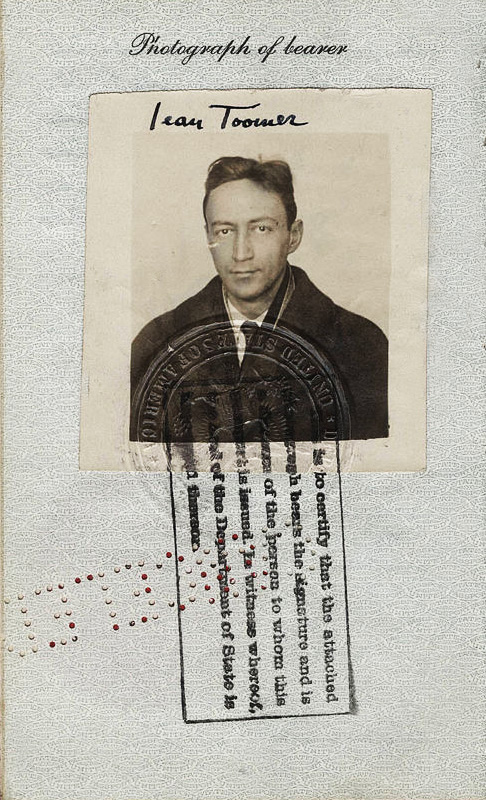
In this worksheet students rigorously explore the poetic language and insights into human nature in Jean Toomer's "Fern." Students are asked to identify and explicate figures of speech and explain and link the author's insights to their own lives in the passages quoted below AS THEY READ, and critique Tommer's unique style.
- “The soft suggestion of down slightly, like the shadow of a bird’s wing might, the creamy brown color of her upper lip.” - IS THIS INCOMPLETE SENTENCE EFFECTIVE OR NOT? WHY? DOES JEAN TOOMER’S UNUSUAL GRAMMAR HELP OR HINDER THE FLOW OF THE NARRATIVE. EXPLAIN.
- “If you have heard a Jewish Cantor sing, if he has touched you and made your own sorrow seem trivial when compared with his, you will know my feeling when I follow the curves of her profile, like mobile rivers, to their common delta.” - IDENTIFY AND EXPLAIN THE SIMILE.
- “They were strange eyes. In this, that they sought nothing—That is, nothing that was obvious and tangible and that one could see, and they gave the impression that nothing was to be denied. When a woman seeks, you will have observed, her eyes deny.” - EXPLAIN THE LAST SENTENCE IN THE ABOVE QUOTE.
- “As you know, men are apt to idolize or fear that which they cannot understand, especially if it be a woman.” - EXPLAIN THIS INSIGHT ABOUT MEN? DO YOU THINK IT'S TRUE? IN YOUR OPINION IS IT TRUE OF WOMEN? WHY OR WHY NOT?
- “What white men thought of Fern I can arrive at only by analogy. They let her alone.” - DEFINE “ANALOGY.” THEN IDENTIFY AND EXPLAIN THE ANALOGY IN THE ABOVE LINE.
- “If you walked up the Dixie Pike most any time of day, you’d be most likely to see her resting…” - WHAT IS THE “DIXIE PIKE”?
- “Her eyes, if it were sunset, rested idly where the sun, molten and glorious, was pouring down between the fringe of pines.” - IS “MOLTEN” AN EFFECTIVE DESCRIPTION OF THE SUNSET? WHY OR WHY NOT? DRAW YOUR IMPRESSION OF A “FRINGE OF PINES.” IS “FRINGE” A FITTING DESCRIPTION OF FAR AWAY PINE TREES? WHY OR WHY NOT?
- “Like her face, the whole countryside seemed to flow into her eyes. Flowed into them with the soft listless cadence of Georgia’s South.” - HOW COULD THE “WHOLE COUNTRYSIDE” FLOW INTO HER EYES? DESCRIBE THE “SOFT LISTLESS CADENCE OF GEORGIA’S SOUTH.”
- "A white man passing in a buggy had to flick him with his whip if he was to get by without running him over." - WHAT DOES THIS SENTENCE REVEAL ABOUT RACE RELATIONS IN THE SOUTH DURING THIS PERIOD?”
- "I was passing with a fellow whose crusty numbness (I was from the North and suspected of being prejudiced and stuck-up) was melting as he found me warm." - EXPLAIN THIS INSIGHT (underlined) INTO HUMAN NATURE AND GIVE AN EXAMPLE FROM LIFE TO SUPPORT YOUR EXPLANATION.
- “I asked him who she was. 'That’s Fern,' was all that I could get from him.” - WHY DO YOU THINK THE NARRATOR FROM THE NORTH COULDN’T GET MORE INFORMATION FROM THE LOCAL MAN ABOUT FERN?
- “But at first sight of her I felt as if I had heard a Jewish cantor sing. As if his singing rose above the unheard chorus of a folk-song.” - EXPLAIN THIS POETIC LINE. WHAT DOES AN “UNHEARD CHORUS” SOUND LIKE? HOW COULD THE IMAGINED SINGING OF A JEWISH CANTOR RISE ABOVE THE UNHEARD CHORUS? WHY IS THIS “UNHEARD CHORUS” SINGING A FOLK-SONG?
- “I have knocked about from town to town too much not to know the futility of mere change of place.” - WHAT DOES THE NARRATOR MEAN BY “THE FUTILITY OF MERE CHANGE OF PLACE”?
- “Better that she listen to folk-songs by dusk in Georgia, you would say, and so would I. Or, suppose she came up North and married. Even a doctor or lawyer, say, one who would be sure to get along—that is make money....Something I must do for her. There was myself. What could I do for her? Talk, of course. Push back the fringes of pines upon new horizons. To what purpose? And what for? Her? Myself?” - TOOMER’S WRITING STYLE IN CANE SOMETIMES SEEMS MORE LIKE A MIRROR OF A MAN’S THOUGHTS THAN TYPICAL NARRATION. EXPLAIN HOW HE ACHIEVES THIS EFFECT?
- “Men in her case seem to lose their selfishness. I lost mine before I touched her. I ask you, friend (it makes no difference if you sit in the Pullman or the Jim Crow as the train crosses her road), what thoughts would come to you…” - WHAT DOES TOOMER MEAN WHEN HE SAYS “IT MAKES NO DIFFERENCE IF YOU SIT IN THE PULLMAN OR THE JIM CROW"?
- “I tried to tell her with my eyes. I think she understood. The thing from her that made my throat catch, vanished. Its passing left her visible in a way I’d thought, but never seen.” - EXPLAIN THE UNDERLINED PORTION AND PROVIDE AN EXAMPLE FROM YOUR OWN EXPERIENCE THAT SUPPORTS YOUR EXPLANATION (Hint: Think of a time when your opinion of someone dramatically changed. What caused the sudden change?)
- “From force of habit I suppose, I held Fern in my arms—that is, without at first noticing it. Then my mind came back to her. Her eyes, unusually weird and open, held me. Held God. He flowed in as I’ve seen the countryside flow in.” - THE NARRATOR WRITES: “From force of habit I suppose, I held Fern in my arms — that is, without at first noticing it. Then my mind came back to her.” HOW CAN YOU HOLD SOMEONE WITHOUT NOTICING YOU'RE EMBRACING THAT PERSON? HOW CAN SOMEONE’S EYES HOLD YOU, AND HOW CAN THOSE SAME EYES THEN HOLD GOD? NEXT EXPLAIN HOW GOD MIGHT FLOW IN LIKE THE COUNTRYSIDE? WHAT DOES THE AUTHOR MEAN WHEN HE SAYS “AS I’VE SEEN THE COUNTRYSIDE FLOW IN”?
- WHAT DOES FERN’S REACTION TO THE NARRATOR UNDER THE "SWEET-GUM TREE" REVEAL ABOUT FERN AND THE MYSTERY OF FERN?
- "And then she sang, brokenly. A Jewish cantor singing with a broken voice. A child’s voice, uncertain, or an old man’s. Dusk hid her; I could hear only her song. It seemed to me as though she were pounding her head in anguish upon the ground. I rushed to her. She fainted in my arms." - WHY DOES HEARING FERN’S REACTION RATHER THAN SEEING IT INTENSIFY THE EXPERIENCE FOR THE NARRATOR?
- WHAT DOES TELLING US FERN’S FULL NAME REVEAL? WHY DO YOU THINK THE NARRATOR WAITS UNTIL THE LAST SENTENCE TO TELL US HER FULL NAME?
VOCABULARY:
aquiline
Semitic
cantor
listless
knoll
wistfulness
cadence
futility
tenement
bestowal
concubine
bollweavil
ventured
prelude
gaping
plaintive
convulsive
anguish
COMMON CORE STANDARDS MET WITH THIS LESSON:
Cite strong and thorough textual evidence to support analysis of what the text says explicitly as well as inferences drawn from the text.
Determine a theme or central idea of a text and analyze in detail its development over the course of the text, including how it emerges and is shaped and refined by specific details; provide an objective summary of the text.
Analyze how complex characters (e.g., those with multiple or conflicting motivations) develop over the course of a text, interact with other characters, and advance the plot or develop the theme.
Determine the meaning of words and phrases as they are used in the text, including figurative and connotative meanings; analyze the cumulative impact of specific word choices on meaning and tone (e.g., how the language evokes a sense of time and place; how it sets a formal or informal tone).
NEXUS is a 501(c)(3) nonprofit based in Cleveland, OH. Our mission is to provide schools with outstanding interdisciplinary resources that inspire students to THINK, LINK and IMAGINE.
A portion of our proceeds is donated annually to UNICEF'S Audrey Hepburn All Children in School Fund.